ADVANCES IN WHICH
UCSF CARDIOVASCULAR RESEARCH INSTITUTE
HAS PLAYED A MAJOR ROLE
|
Catheterization for diagnosis of congenital cardiac anomalies. Revolutionized diagnosis and treatment of congenital heart disease. |
 |
|
Pulmonary surfactant. Discovered, characterized, and developed as therapy for respiratory distress syndrome in premature infants. Decreased overall infant mortality. |
 |
|
Indomethacin for patent ductus arteriosus closure. Allows infants with this congenital abnormality to avoid major surgery. |
|
|
Catheter-based ablation therapy for cardiac arrhythmias. Cures some types of heart-rhythm problems without need for open-heart surgery. |
|
|
Role of diastolic dysfunction in heart failure. Improved understanding and treatment of heart failure. |
|
|
ACE inhibitors in heart failure. Contributed to this application of ACE inhibitors, which improve and extend lives of heart-failure patients. |
|
|
Eptifibatide. Used in approximately one million patients each year to prevent clotting during angioplasty and interrupt developing heart attacks. |
|
|
Passive smoking and heart disease. Epidemiology, physiology, and biochemistry. The evidence that ETS increases risk of death from heart disease is similar to that which existed in 1986 when the US Surgeon General concluded that ETS caused lung cancer in healthy nonsmokers. |
|
|
Identification of thrombin receptor. Enabled development of new and potentially revolutionary class of clot-preventing drugs now in clinical trials. |
|
|
Identification of VEGF receptor. Enabled development of Avastin and other inhibitors of tumor blood vessel growth. . |
|
|
Identification of monocyte chemoattractant protein receptor. Enabled development of new class of anti-inflammatory drugs now in clinical trials. |
|
|
Truth Tobacco Industry Documents The archive was built to house and provide permanent access to tobacco industry internal corporate documents produced during litigation between US States and the seven major tobacco industry organizations and other sources. |
|
|
Catheter-based aortic aneurysm repair and other surgical innovations. Allows some patients to avoid major surgery and allows repairs not previously possible. |
|
|
Roles of IgE and inflammation in asthma; proof of concept for Xolair. Key steps in developing new class of asthma drug. |
|
|
Low tidal volume ventilation in adult respiratory distress syndrome. Decreases mortality in patients with respiratory distress syndrome. |
|
|
Roles of collectins in host defense. May enable development of new class of antimicrobial agents. |
|
|
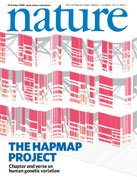
High throughput genotyping (HapMap). Enabled new level of genetic research that will lead to tailoring measures to prevent heart attacks to a patient’s particular risk factors and more precise prevention, diagnosis, and treatment of heart-rhythm problems. |
 |